
 Home
Home Knowledge
  Tools
Tools  Practice
  Divination
  Profile
 Contact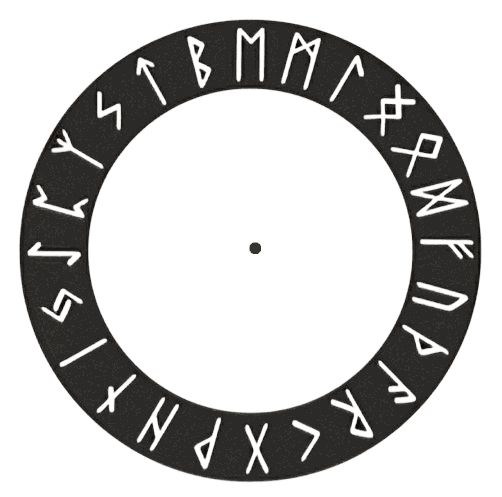
Where Rune Casting Comes From
Runes were a writing system before they were anything else. The Elder Futhark's 24 characters recorded names, ownership, memorials, messages and charms across Germanic-speaking northern Europe from roughly the first centuries CE.
A divinatory use is plausible but thinly attested. Tacitus, writing in Germania around 98 CE, describes a Germanic lot-casting rite in which marked slips were cut from a fruit-bearing tree, scattered on a white cloth and drawn while looking upward. He calls the marks notae — signs. Whether those signs were runes is debated and cannot be settled from the text alone.
What is certain is that the fixed one-rune-one-meaning system used in almost every modern deck and app is a twentieth-century development, not an unbroken inheritance. This tool follows that distinction: the name and sound value of each rune are historically grounded, and the divinatory reading is presented as the later interpretive layer it is. Keeping the two apart costs nothing and prevents modern invention from being mistaken for Viking-age doctrine. The runes page sets out the historical record for each stave in full.